Research that reaches the ground
CheAI Research Inc. is a 501(c)(3) non-profit working at the point where research meets practice. We build free learning materials, open science, and tools for verifying what we are told, then put them in the hands of the people who need them.
- Organization
- 501(c)(3) non-profit
- Studies
- 45 published
- Latest issue
- July 2026


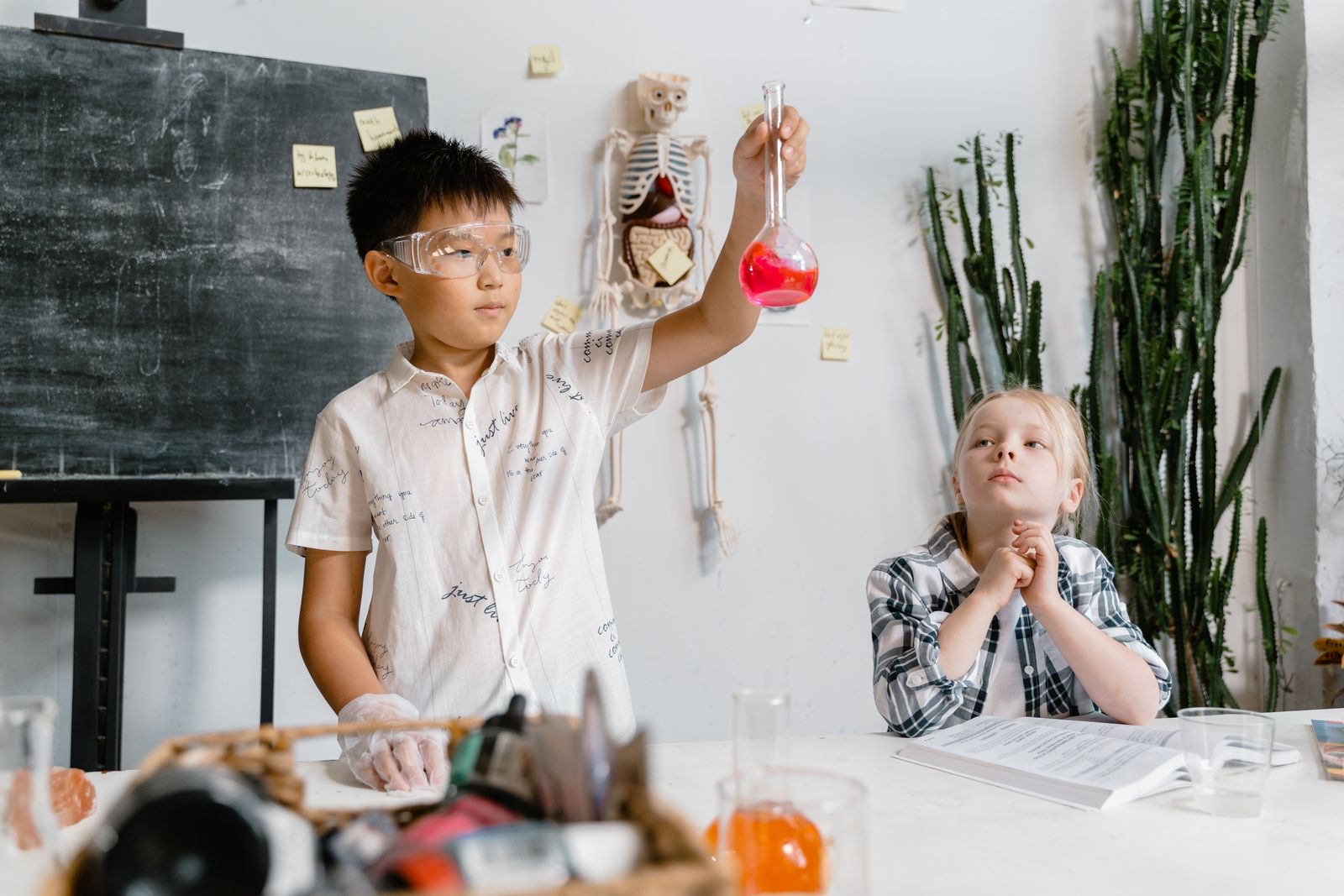
- CChemistry and engineeringResearch that reaches the groundForty-five studies, each stating its finding, its method and its limits.Our research →
- HHonest AICheck the source before you trust the answerVeritasAudit makes verifying citations and sourced claims fast enough that people actually do it.About VeritasAudit →
- EEducationFree learning materials for every classroomOne hundred and forty-four weeks of classroom-ready chemistry for Grades 9 to 12. Worksheets, competition problems, and readings, free to download.Education program →
Applied research with a narrow definition of useful
About us. 501(c)(3) non-profit.
Most AI research never leaves the paper it was written on. We pick problems where a working result changes something for someone, and we measure ourselves on whether it does.
We organize around three programs: free K–12 teaching materials, public tools for AI ethics and verification, and academic research in chemistry, chemical engineering, and agent systems. They share one test. Something has to be usable by a person who was not involved in making it.
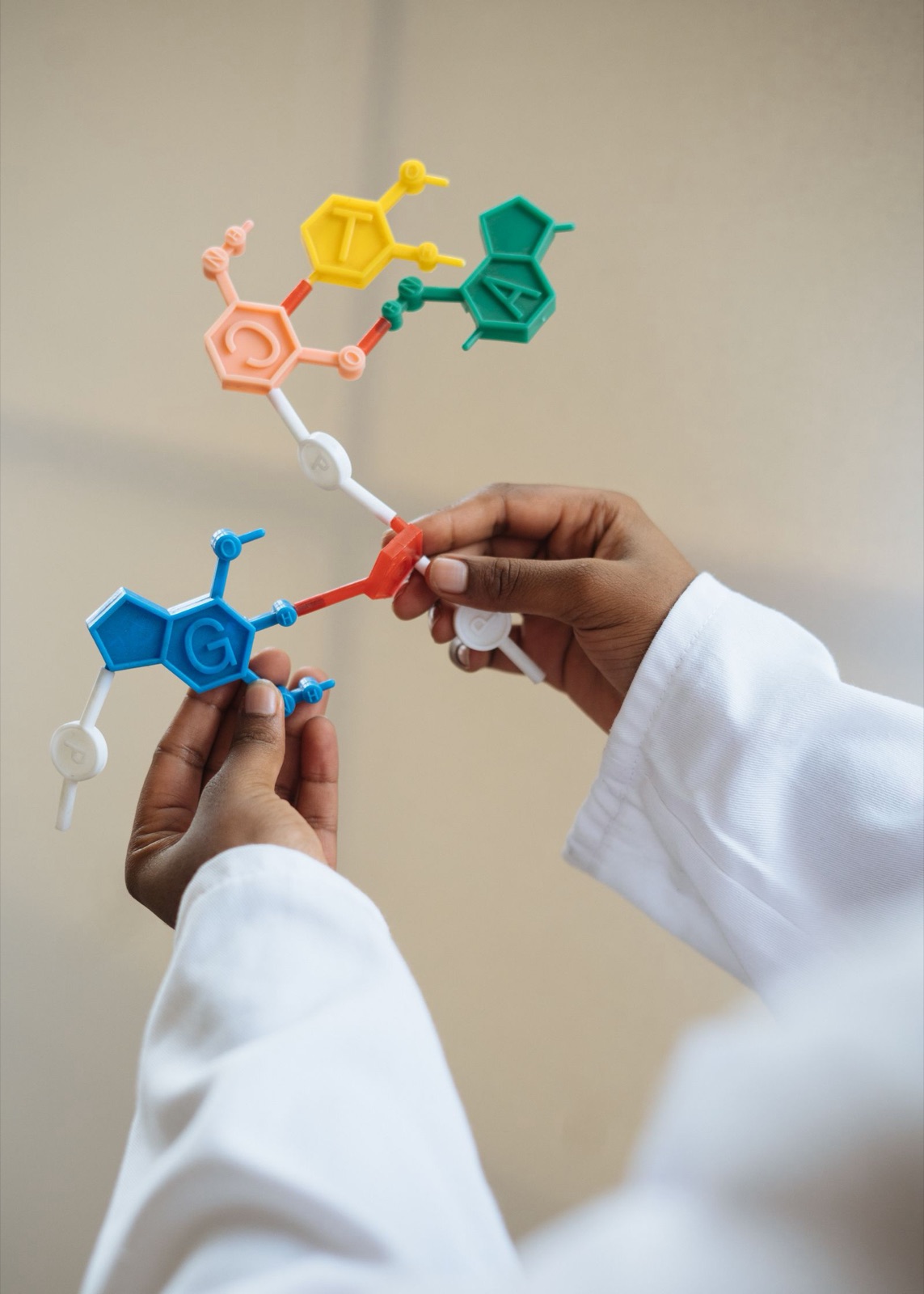
Three areas of work, one standard
Our programs.
- 01K–12 worksheets and guidelinesEducation. Print-first worksheets, exercise sets, and teaching guidelines designed for classrooms that may not have specialist staff or spare prep time. Explore education
- 02VeritasAudit and verification toolsAI ethics. AI systems produce references that look correct and are not. VeritasAudit makes verifying citations and sourced claims fast enough that people actually do it. Explore AI ethics
- 03Chemistry and AI agent systemsScience. Undergraduate and graduate research spanning chemistry, chemical engineering, and multi-agent AI systems applied to scientific work. Explore research
What we found and what changed because of it
Newsletter. Latest issue, July 2026.
Three articles retracted after fabricated references were documented
VNU Journal of Science: Education Research retracted three articles following reports from our VeritasAudit project. We screened 1,504 references across 50 articles and cleared 108 of them at the rescue stage before reporting anything. This issue sets out the method, the evidence, and what the journal did.
Research that only other researchers can read cannot inform the decisions being made about this technology.
CheAI Research Inc.
Teach, build, and publish openly
How our work reaches people.
- 1TeachClassroom-ready materials that schools, tutors, and parents can download and use at no cost, with standards and running times stated up front.
- 2BuildPractical tools for verification and responsible AI use, aimed at students, journalists, clinicians, and librarians, not only specialists.
- 3ResearchChemistry, chemical engineering, and agent systems at the undergraduate and graduate level, published openly and explained plainly.